


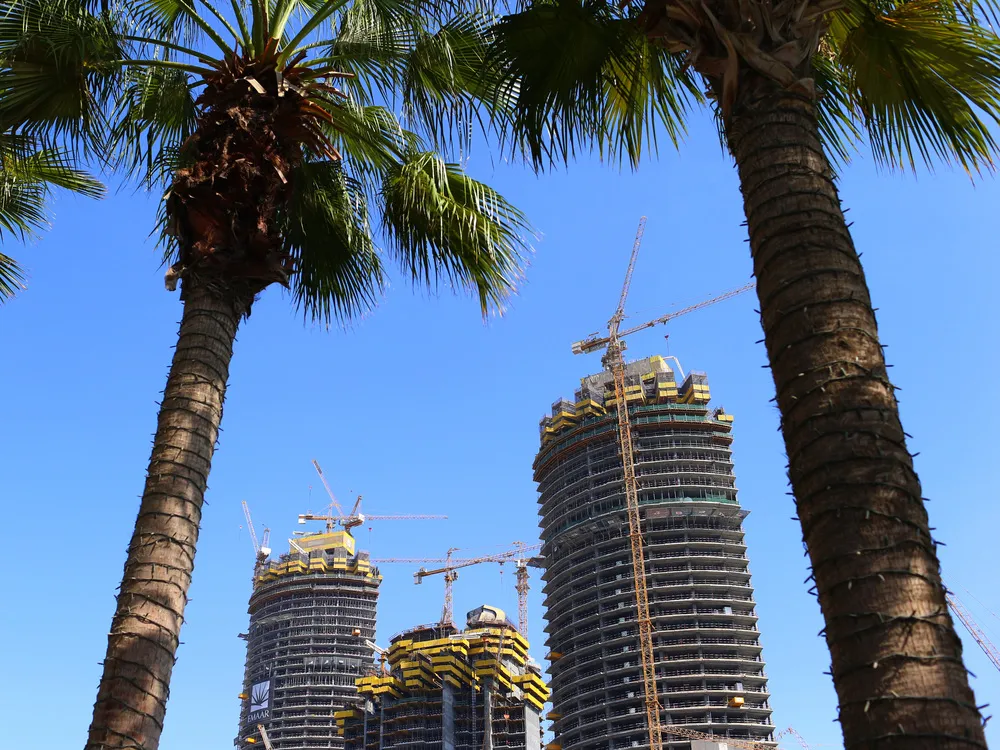
Investors who rushed to lend money to real estate developers in the United Arab Emirates are suffering losses as the Iran war hits their bonds and threatens to derail a wave of borrowing.
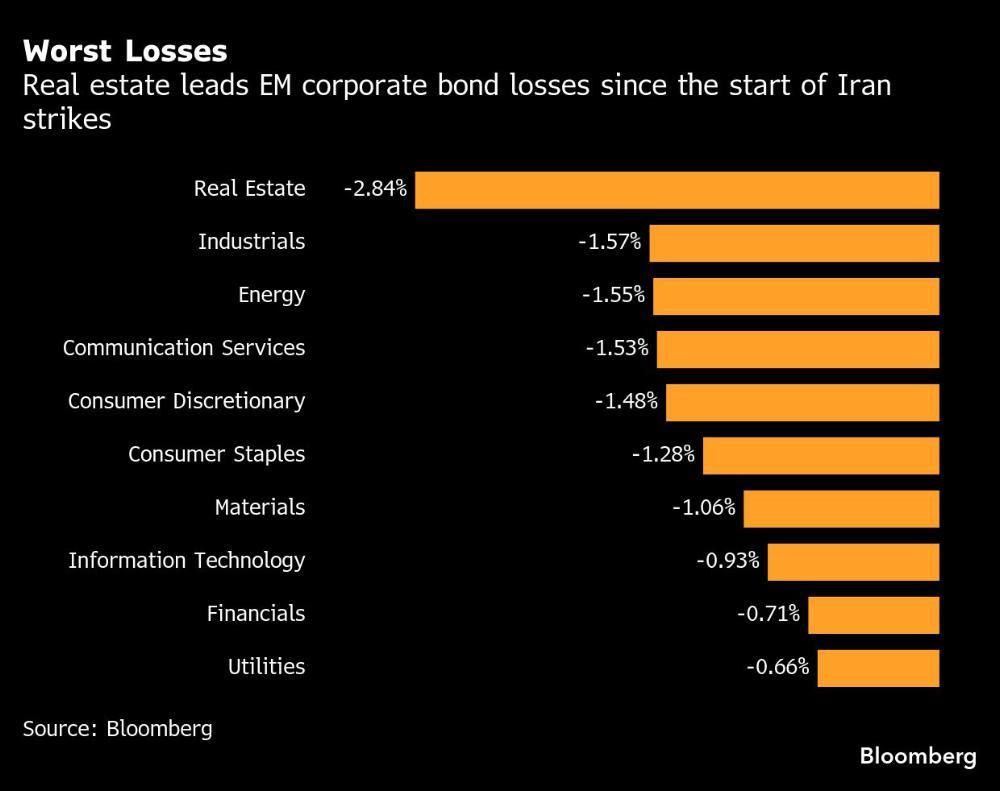
Real estate companies had increasingly relied on the bond market as they struggled to secure sites for residential projects in Dubai and Abu Dhabi. With both cities under ongoing attacks from Iran, these debts are being sold. UAE corporate bonds are the worst performers in emerging markets this month, with real estate stocks suffering the biggest losses, according to a Bloomberg index.
Malcolm Kane, portfolio manager at RBC Bluebay, said the market was not expecting a repeat of the 2009 property crash, when Dubai was rescued by an Abu Dhabi-led rescue package. However, there could be “an abrupt end to this upswing that we have experienced in recent months,” he added.
Residential real estate appeared vulnerable even before the war began, as analysts warned that prices and rental yields could fall due to an increase in supply. Pressure is now mounting as the conflict causes panic among some residents and damages the UAE’s international reputation as a stable financial, logistics and tourism hub.
Real estate bond issuance in the UAE reached nearly $7 billion in 2025, more than double the figure in 2024, again setting a record. An additional $2.7 billion worth of debt was issued in January and February alone, suggesting the industry is headed for a record year in 2026 as well. Two weeks later, the war turned the outlook upside down.
Five-year green Islamic bonds (sukuk) issued by Dubai-based Sobha Realty in September were the worst performers, falling 8.5 percent this month. Five-year sukuk of Binghatti Holding Ltd, which was sold in February, and Arada Developments LLC fell 7.8 percent and six percent, respectively.
“A slight correction was due,” said Manuel Mondia, portfolio manager at Aquila Asset Management. That reversal would now be more severe as sentiment among foreign buyers “cools down,” he added.
“People look at high-quality, good-quality names and feel like they’re safe, and then they look at other names that maybe aren’t as well covered. So you’re seeing a decline in those riskier names,” said Eoghan McDonagh, senior portfolio manager at Allianz Global Investors, adding he has reduced his positions to reduce risk.
Aquila Asset Management’s Mondia said he believes the market is focused on “the two most indebted names,” referring to Binghatti Holding and Omniyat Holdings Ltd. “These are names that could have more problems in the future.” Omniyat did not respond to a request for comment.

Review warning
Fitch Ratings has flagged Dubai residential tower developer Binghatti Holding for a possible downgrade, saying the regional conflict could weaken demand among homebuyers and investors. This could increase unsold inventory and increase the risk of cancellations, which would require more working capital and preservation of cash, the ratings agency said.
Binghatti said in an email to Bloomberg on Friday that the company is in a strong financial position, supported by conservative leverage and ample liquidity. Despite the uncertain backdrop, its operating performance and financial metrics remained robust and there was no “measurable deterioration” in revenue, cancellation rates, pricing, debt or liquidity.
“The company continues to have significant financing flexibility, ensuring resilience even in a more constrained financing environment,” the company said in its statement. “Our available cash provides a comfortable buffer to manage volatility, maintain construction momentum and meet ongoing obligations.”
Do you buy the dip?
While there are deep concerns about the future of a sector that relies heavily on foreign buyers, both those looking to live in Dubai and those speculating in the property market, some investors see opportunity in the sell-off.
“It’s worth taking a look at high-quality developers who have a track record of managing operations and liquidity while reducing the risk to their balance sheet in previous market downturns,” said Xuchen Zhang, emerging markets analyst at Jupiter Asset Management, pointing to Damac Properties’ short-term bonds as an example.
Damac’s bonds due April 2027 held up much better than their longer-dated counterparts, falling just 2.5 cents to 100.3 against the dollar. In contrast, August 2029 notes are down almost 5 cents since the start of the month to 95.2.
“Long-term maturities are more about the industry outlook, for which it is too early to forecast,” Zhang said. “It’s really hard to say how long the war will last.”
Bloomberg.com