


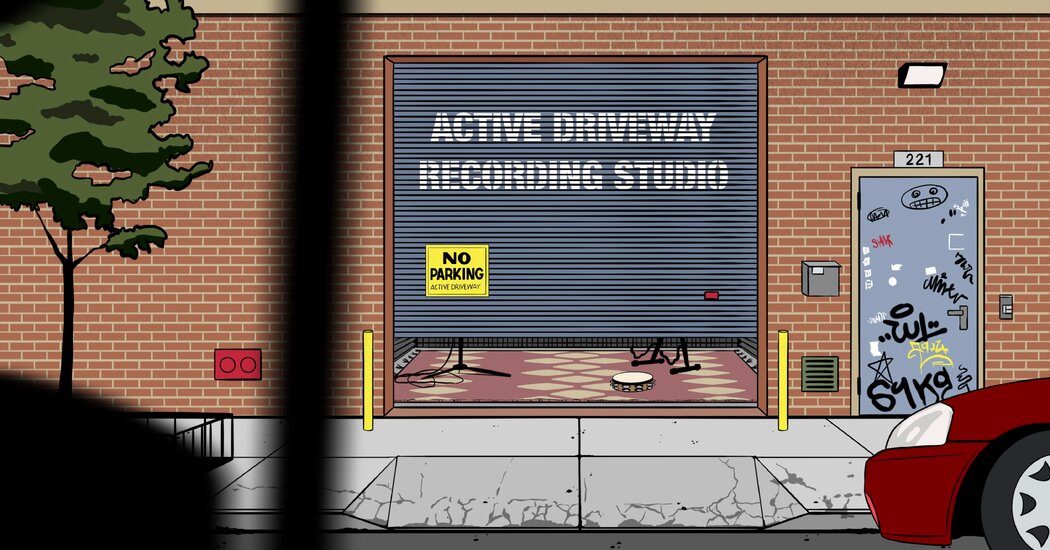
Q: A new owner bought an old warehouse on my block in Brooklyn and converted it into a live-work space. The warehouse had a garage door at the front and a curb cutout to allow a truck to drive into the warehouse. He kept the garage door, but uses the front area of the warehouse as a recording studio. He has posted an active entry sign and insists that the on-street parking in front of his building is his spot. He left threatening notes saying he would have cars towed if other drivers parked there. Can he claim this space if he doesn’t have an active driveway?
A: If it’s a legal driveway, your neighbor can park in front of it, but you can’t.
To find out if it’s a legal driveway, you can check the city’s databases to see if the curb cut – the area of the sidewalk that slopes down to street level – has a permit. The Department of Buildings maintains records through DOB Now and the Building Information System. However, this record search can be complicated, especially for curbs that have been in place for decades. You can also call 311 and say you suspect it is illegal. An inspection will then give you an answer.
“You can’t necessarily create an active driveway yourself without getting the proper permits,” said Andreas E. Christou, a real estate attorney with Woods Lonergan PLLC in New York.
It’s possible it’s been a legal driveway for some time, and if that’s the case, your neighbor can park there, Mr Christou said.
The law allows an owner or tenant of private property to block their own access with a car as long as the access is usable, i.e. there are no buildings or other solid objects in the way. The car must be registered there and there may not be more than two residential units on the property.
“By keeping the curb and garage door clear and maintaining an opening that remains physically usable for vehicular access, your neighbor can ostensibly claim that it is their driveway,” said Matthew Weiss, an attorney who handles traffic tickets. “Parking enforcement, in practice, often still treats it as a driveway, even if they personally choose not to drive into the building,” Mr. Weiss said.
If you park in front of someone else’s legal driveway, you are breaking the law and will have to pay a ticket.