


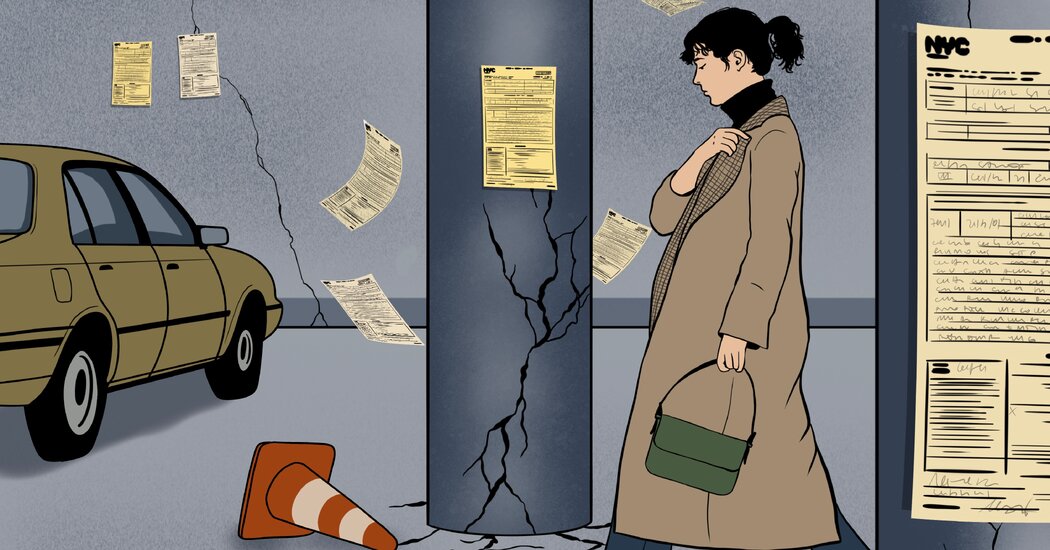
Q: I am a shareholder in a cooperative in Woodside, Queens, and I am concerned that our board is not acting in our best interests. Our garages have structural issues, violate accessibility requirements for people with disabilities, and lack necessary amenities. Over the past year, the city has issued fines totaling about $15,000 for several violations, but the city government has refused to make needed repairs. As shareholders, we have to pay for this negligence. Can the board continue to ignore these violations and pass the increasing costs on to us? Can the directors be held personally responsible?
A: In New York City, the owner of a multifamily property, such as a co-op, is legally responsible for keeping the premises in good condition and complying with building and housing codes, said Leni Morrison Cummins, chair of Cozen O’Connor’s co-op and condo practice.
However, the shareholders are responsible for the financial obligations of the building. You could try to sue a director for breaching his or her fiduciary duties, but because directors are protected by the business judgment rule – as long as directors act within their authority, in good faith and for a legitimate corporate purpose – it could be difficult to make that case.
“If a board knowingly allows dangerous conditions to continue, repeatedly ignores government violations, or fails to exercise rational judgment about how and when to remedy the situation, a court may find that the board has abandoned the protection of the business judgment rule,” Ms. Cummins said.
“The board has an obligation to hire experts when structural or accessibility concerns arise and to act promptly when a safety risk exists,” said Debra J. Guzov, who practices real estate law at Guzov, LLC. However, it is possible that the board’s decision to delay the repairs was within its reasonable business judgment if the co-op was short on funds, as long as it could demonstrate that it was not ignoring the entire situation, she said.
Successful lawsuits against a board or an individual board member depend on the facts. Therefore, collect as much information as possible. The courts allow shareholders to request access to the cooperative’s books and records, which could shed light on board operations. However, it is rare for a volunteer board member to be held personally liable for a board action. A more effective approach might be to change the direction of the board from within by electing new, like-minded members.